Electrical Lineworker Training Program in DeSoto, TX
Train for the Skills Used in Utility and Power Line WorkElectrical linework is a hands-on trade built on safety, discipline, physical readiness, and technical skill. MT Training Center’s Advanced Electrical Lineworker program in DeSoto, TX helps students begin building the foundation needed for entry-level utility and lineworker-related opportunities.
This electrical lineworker program is designed for students who want practical training connected to utility work, power line systems, field safety, and lineworker equipment.
Students learn electrical theory, voltage, current, resistance, safety practices, lineworker tools, bucket trucks, diggers, pole climbing awareness, elevated work safety, and utility work fundamentals through a structured training path.
Start Building a Future in Electrical Linework
Lineworker training is not only about learning electrical concepts. It is about developing the mindset, discipline, and confidence required for physically demanding utility work.
This program introduces students to the tools, equipment, safety expectations, and technical concepts used in electrical lineworker and utility support environments. Students gain exposure to the kind of knowledge needed around electrical distribution systems, field procedures, elevated work, utility equipment, and worksite safety.
The goal is to help students understand the foundations of electrical linework so they can begin preparing for opportunities such as pre-apprentice lineworker, substation technician, equipment operator, staking technician, and related utility support roles.
Why Choose Electrical Lineworker Training?
Power and utility systems support homes, businesses, schools, hospitals, transportation, and communities. Behind those systems are trained workers who understand safety, equipment, electricity, and the responsibility of working around utility infrastructure.
MT Training Center’s Electrical Lineworker Training Program is built for students who want to develop foundational skills for a practical, hands-on field. The program introduces students to the technical and physical areas connected to lineworker training while helping them understand the expectations of utility work.
This program helps students learn about:- Electrical theory and power fundamentals
- Voltage, current, resistance, and basic electrical concepts
- Utility worksite safety practices
- Lineworker tools and field equipment
- Bucket trucks, diggers, and related machinery
- Pole climbing awareness and elevated work safety
- Electrical distribution systems
- Utility pole and line equipment
- Physical readiness for demanding field work
- Pre-apprentice lineworker preparation
- Substation and utility support concepts
- Job readiness for electrical utility environments
This is a career-focused program for students who want to begin training for a practical, respected, and essential trade.
Who This Program Is For
The Advanced Electrical Lineworker program may be a strong fit if you:
- Want a hands-on trade instead of a traditional classroom-only path
- Are interested in power lines, utilities, and electrical systems
- Want to build foundational electrical lineworker skills
- Are comfortable with physically demanding training
- Want to learn about lineworker tools and utility equipment
- Are interested in pre-apprentice lineworker opportunities
- Want a structured electrical lineworker training program in DeSoto, TX
- Are ready to follow safety procedures and work with discipline
This program is especially valuable for students who want a practical introduction to utility linework and related field positions.
What You Will Learn in the Advanced Electrical Lineworker Program
| Training Focus Area | What Students Will Learn |
|---|---|
| Basic Electrical Theory |
Students learn foundational electrical concepts that support utility and lineworker work. This includes basic theory related to electrical flow, power systems, and how electrical concepts are used in field environments. Electrical theory gives students the foundation needed to understand the work behind power distribution and utility service. |
| Voltage, Current, and Resistance |
Students study important electrical principles such as voltage, current, and resistance. These concepts help students understand how electricity behaves and why safety, proper procedures, and technical awareness are essential in electrical work. |
| Electrical Distribution Systems |
Students are introduced to concepts connected to electrical distribution systems and utility infrastructure. This helps students understand how power moves through systems that support homes, businesses, and communities. This section supports a broader understanding of lineworker work, utility service, and power distribution support. |
| Lineworker Tools and Equipment |
Students are introduced to tools and equipment commonly associated with electrical lineworker training and utility field work. Understanding tools and equipment helps students build familiarity with the kind of work environment they may encounter in entry-level utility support roles. |
| Bucket Trucks and Diggers |
Students learn about machinery such as bucket trucks and diggers, which are important in utility and lineworker environments. This training helps students understand how equipment supports elevated work, pole-related tasks, utility service, and field operations. |
| Pole Climbing Awareness and Elevated Work Safety |
Electrical lineworker training often requires awareness of elevated work environments, pole-related tasks, safety procedures, and equipment use. Students are introduced to the importance of physical readiness, hazard awareness, and following safety practices when working around height-related and utility field conditions. |
| Utility Worksite Safety |
Safety is one of the most important parts of lineworker training. Students learn the importance of following procedures, using proper equipment, staying aware of hazards, and respecting the risks connected to electrical and elevated work. Successful linework starts with safety discipline. |
| Physical Readiness and Worksite Awareness |
Electrical linework can be physically demanding. Students should be prepared for training that may involve strength, stamina, focus, and comfort working around tools, equipment, outdoor conditions, and elevated work environments. This program helps students understand the physical expectations connected to lineworker and utility field work. |
| Utility Work Fundamentals |
Students learn foundational concepts connected to power lines, utility systems, lineworker responsibilities, and related field work. This helps students build a broader understanding of how lineworkers support electrical service, maintenance, repair, and utility operations. |
| Job Readiness for Lineworker and Utility Roles |
The program supports students as they prepare for entry-level opportunities in lineworker and utility-related environments. Students gain exposure to the expectations, responsibilities, and professional mindset needed for the field. |
Build Confidence for Physically Demanding Utility Work
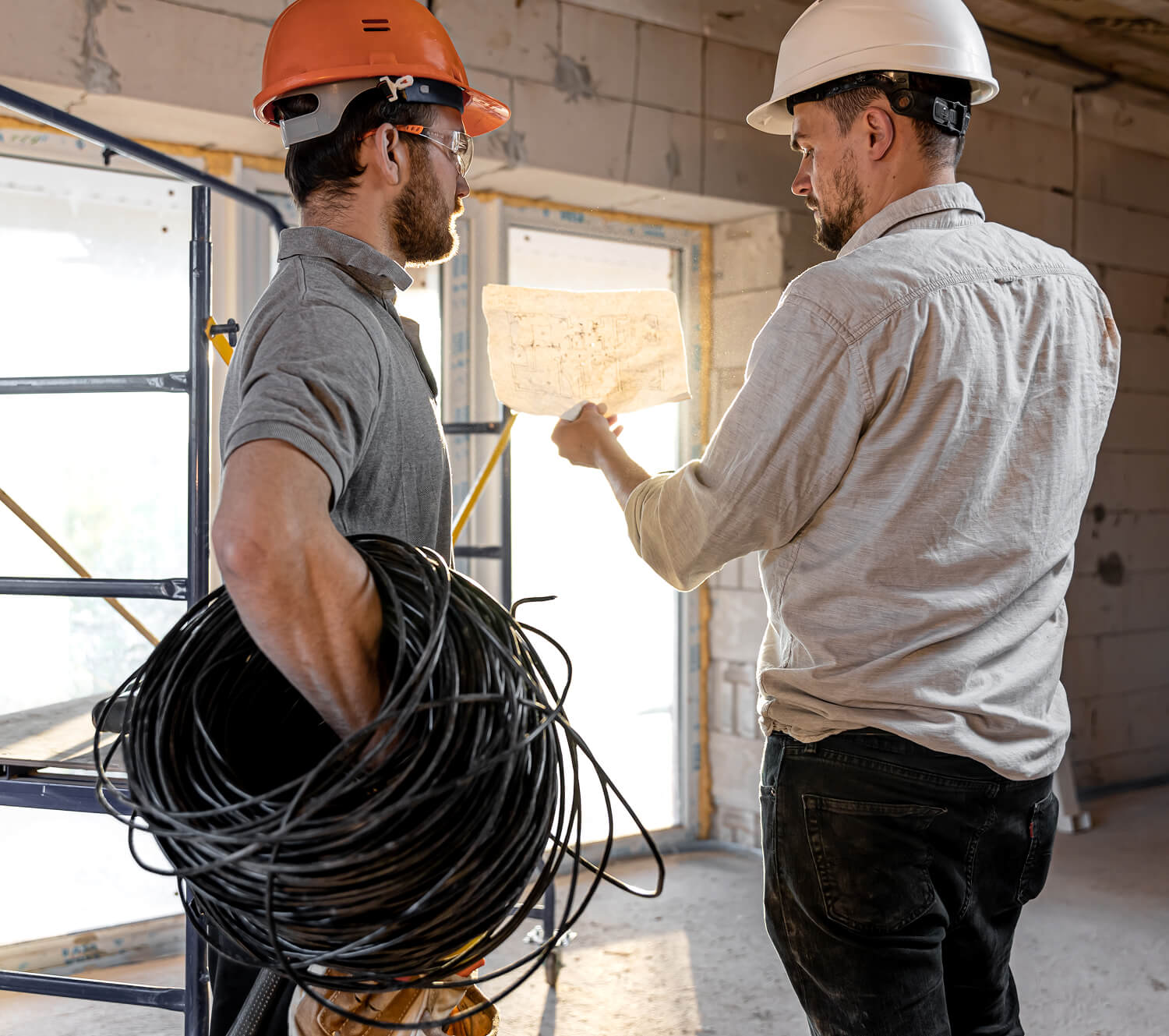
Electrical linework is not a passive career path. It requires focus, responsibility, and respect for safety.
Students entering this field need to understand the equipment, the risks, the physical demands, and the discipline required to work around electrical systems and utility infrastructure.
MT Training Center’s program gives students a structured environment to begin building that foundation. From electrical theory to equipment awareness, students learn the basics needed to move toward pre-apprentice and related utility support opportunities.
Career Paths After Electrical Lineworker Training
The Advanced Electrical Lineworker program is designed to help students build skills that may support entry-level opportunities in electrical utility and lineworker-related environments.
After completing the program, students may be prepared to explore roles such as:
- Pre-apprentice lineworker
- Electrical lineworker trainee
- Substation technician trainee
- Equipment operator trainee
- Staking technician
- Utility field support role
- Power distribution support role
- Electrical utility support assistant
- Line crew support trainee
This program does not guarantee employment, but it gives students a structured foundation in the tools, concepts, safety practices, and work expectations connected to entry-level electrical lineworker pathways.
Program Length and Class Schedule
Additional Information
Admission Requirements
Applicants must review and meet the program’s admissions requirements before entering the Advanced Electrical Lineworker program.
Applicants must:
01
Possess a high school diploma, GED equivalent, or be able to pass the Accuplacer Test.
02
Be able to read and write English.
03
Schedule an interview with the admissions office.
04
Submit a completed application.
05
Possess a valid driver’s license.
06
Be eligible for a Class A commercial driver’s license.
07
Provide proof of current medical insurance.
08
Complete a DOT physical.
09
Submit required medical release forms.
10
Meet physical and mental fitness requirements.
11
Meet school policies, class size, and space availability requirements.
Due to equipment restrictions, applicants must also meet the program’s weight-related requirements. Students should speak with admissions to review all physical, medical, and eligibility requirements before enrollment.
MT Training Center’s admission process helps students understand expectations before beginning training.
Graduation Requirements
To successfully complete the program, students must meet the school’s graduation requirements.
Students are expected to:
- Complete the required percentage of clock hours
- Maintain the required academic standard
- Demonstrate understanding of basic electrical theory
- Understand voltage, current, and resistance
- Show familiarity with industry tools and machinery
- Understand equipment such as bucket trucks and diggers
- Complete required examinations
- Meet program completion standards
After successfully completing the Advanced Electrical Lineworker program, students receive a Certificate of Completion from MT Training Center.
This section is important because it shows that the program is structured, measured, and built around clear student expectations.

Why MT Training Center?
Choosing the right electrical lineworker training program is about more than choosing a course. It is about choosing a place where you can begin building the foundation for a serious, hands-on trade.
MT Training Center’s Advanced Electrical Lineworker program gives students:
- A structured electrical lineworker curriculum
- 900 clock hours of training
- Day and evening program options
- A 20:1 student/instructor ratio
- Training in electrical theory, safety, lineworker tools, bucket trucks, diggers, pole climbing awareness, elevated work safety, and utility work fundamentals
- Career-focused preparation for pre-apprentice and related utility roles
- Clear admission and graduation requirements
- A Certificate of Completion after successful program completion
- A local training option in DeSoto, TX for students in the Dallas-Fort Worth area
If you want to begin training for electrical lineworker opportunities, this program gives you a clear place to start.
Frequently Asked Questions
Start Training for a Hands-On Electrical Utility Career
If you are ready to move toward a practical, physically active, and skill-based career path, MT Training Center’s Advanced Electrical Lineworker program gives you a structured place to begin. You will study electrical theory, safety, lineworker tools, utility equipment, elevated work awareness, and worksite fundamentals while preparing for entry-level lineworker and utility support opportunities.
Your next step starts with training, structure, and the commitment to begin.