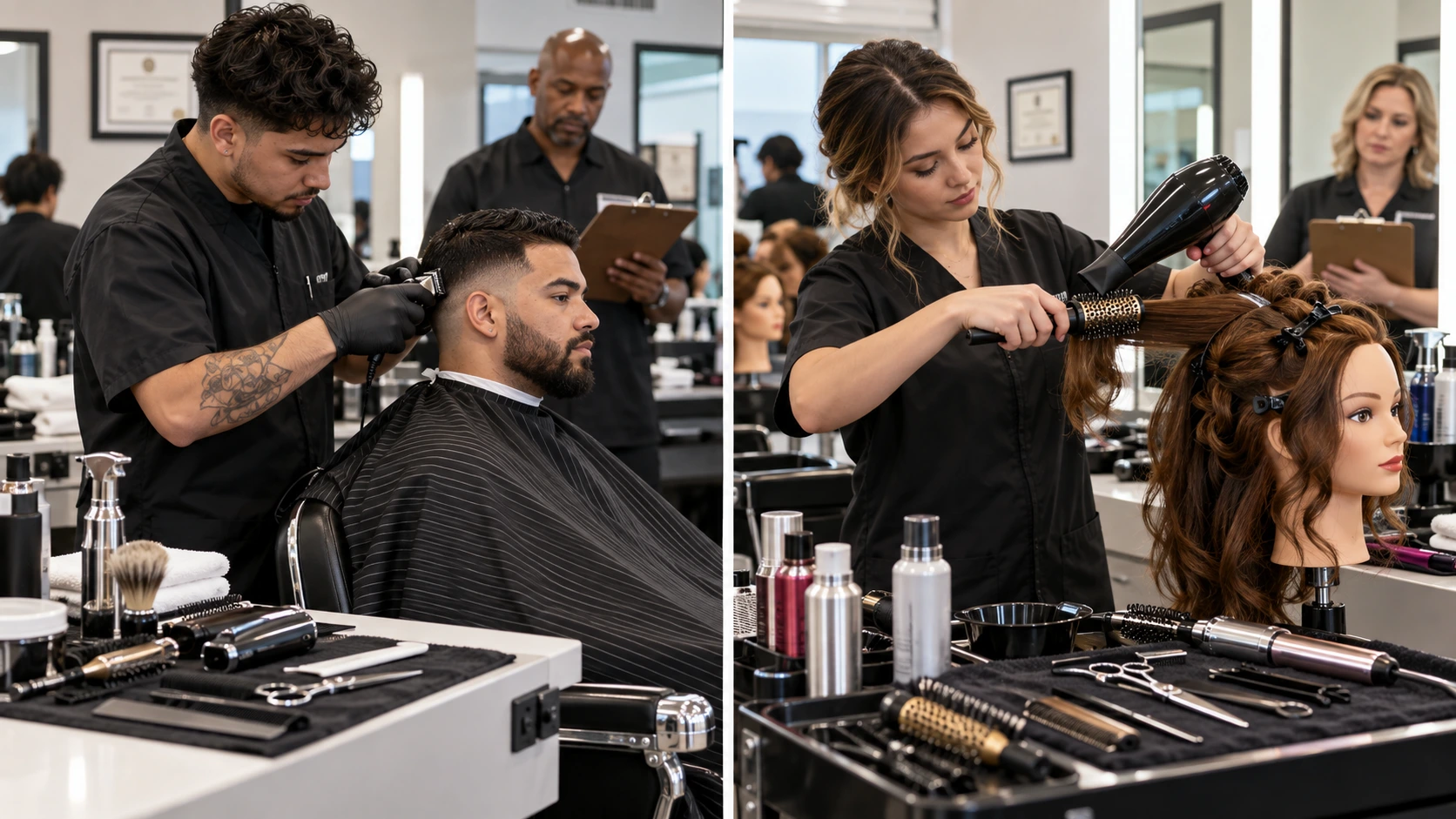
Choosing between a barber license and a cosmetology license can be confusing because the two careers share several skills but lead to different types of training and professional work. The right choice depends on the services you want to offer, the environment you want to work in and your long-term career goals. This guide compares both licensing paths, including their
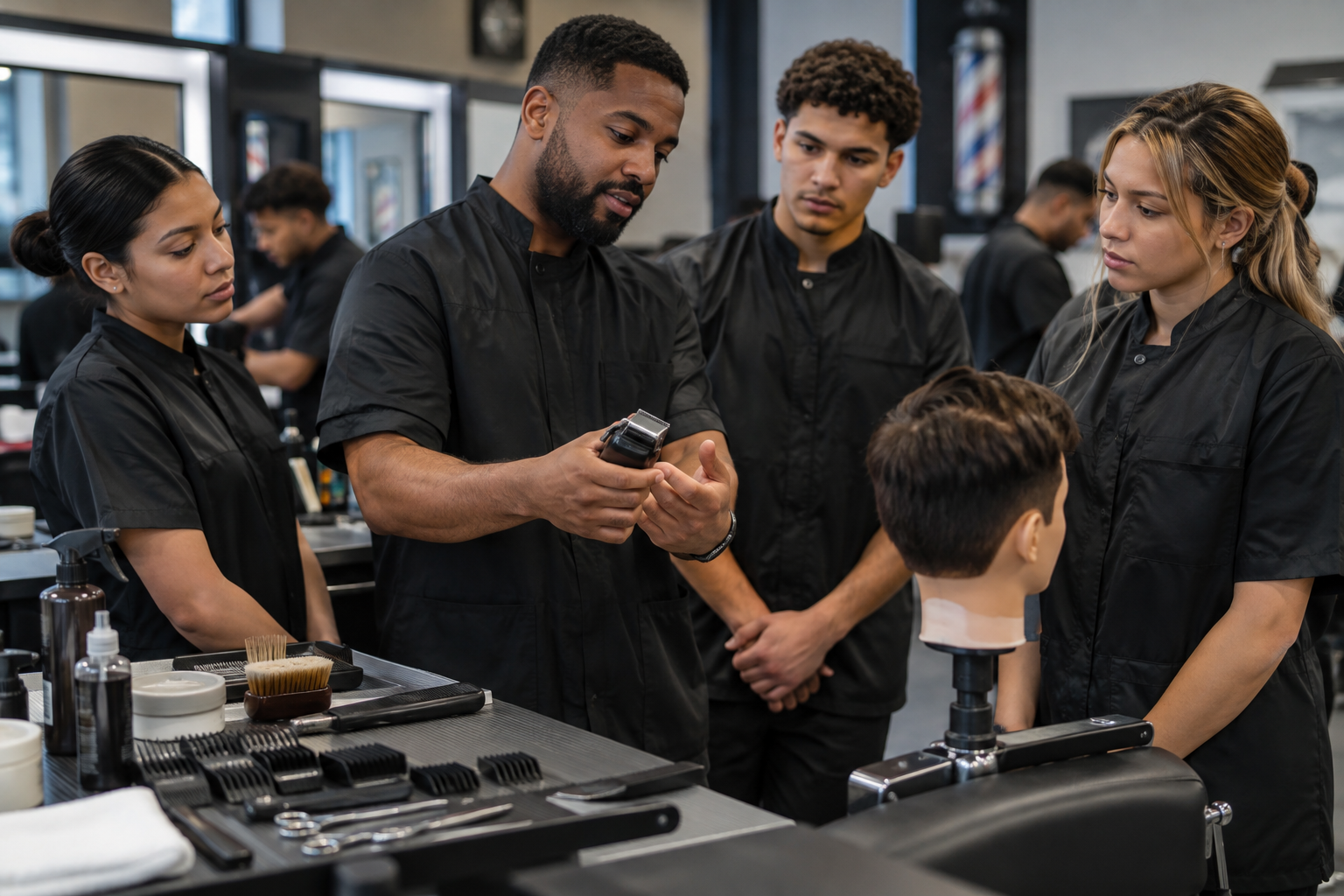
What Do You Learn in a Class A Barber Training Program?
A Class A Barber training program prepares students for the technical, practical and professional demands of working in a barbershop environment. The training goes beyond learning individual techniques. Students gradually build the knowledge, judgment and hands-on experience needed to perform services safely, work with different clients and prepare for professional barbering. This guide explains the main areas covered in Class

How to Become a Cosmetologist in Texas
To become a cosmetologist in Texas, you typically need to complete about 8 to 12 months of approved cosmetology training, pass the written and practical exams, and apply for your license through the Texas Department of Licensing and Regulation (TDLR). You may become eligible for the written exam shortly before finishing your full program, which can help you move through

How Long Is Barber School in Texas? Complete Timeline Guide
Want to become a barber but not sure how long the training will actually take? In Texas, barber school typically takes about 7 to 10 months, depending on whether you choose a full-time or evening schedule. To qualify through the standard Class A Barber pathway, Texas requires 1,000 hours of approved training. At MT Training Center in DeSoto, Texas, students

How to Become a Barber in Texas: Career Path
To become a barber in Texas, the standard path is to complete a 1,000-hour Class A Barber course at a Texas-licensed barbering or cosmetology school, pass the required written and practical examinations, and apply for your Class A Barber license through the Texas Department of Licensing and Regulation (TDLR). Students can become eligible for the written exam after completing 900

Barber School vs Cosmetology School in Texas: Career Guide
Choosing between barber school and cosmetology school in Texas comes down less to training length and more to the work you want to perform after licensing. Both the Class A Barber and Cosmetology Operator paths require 1,000 hours of approved instruction, followed by written and practical licensing exams. The bigger question is what you want your daily career to look

How to Become an Electrical Lineworker in Texas
Becoming an electrical lineworker in Texas requires more than learning how to climb poles or operate equipment. Successful lineworkers combine electrical knowledge, safety discipline, physical readiness and technical skills to maintain the systems that power homes, businesses, hospitals and communities. A typical day may involve installing and repairing overhead power lines, inspecting utility equipment, working with bucket trucks or responding
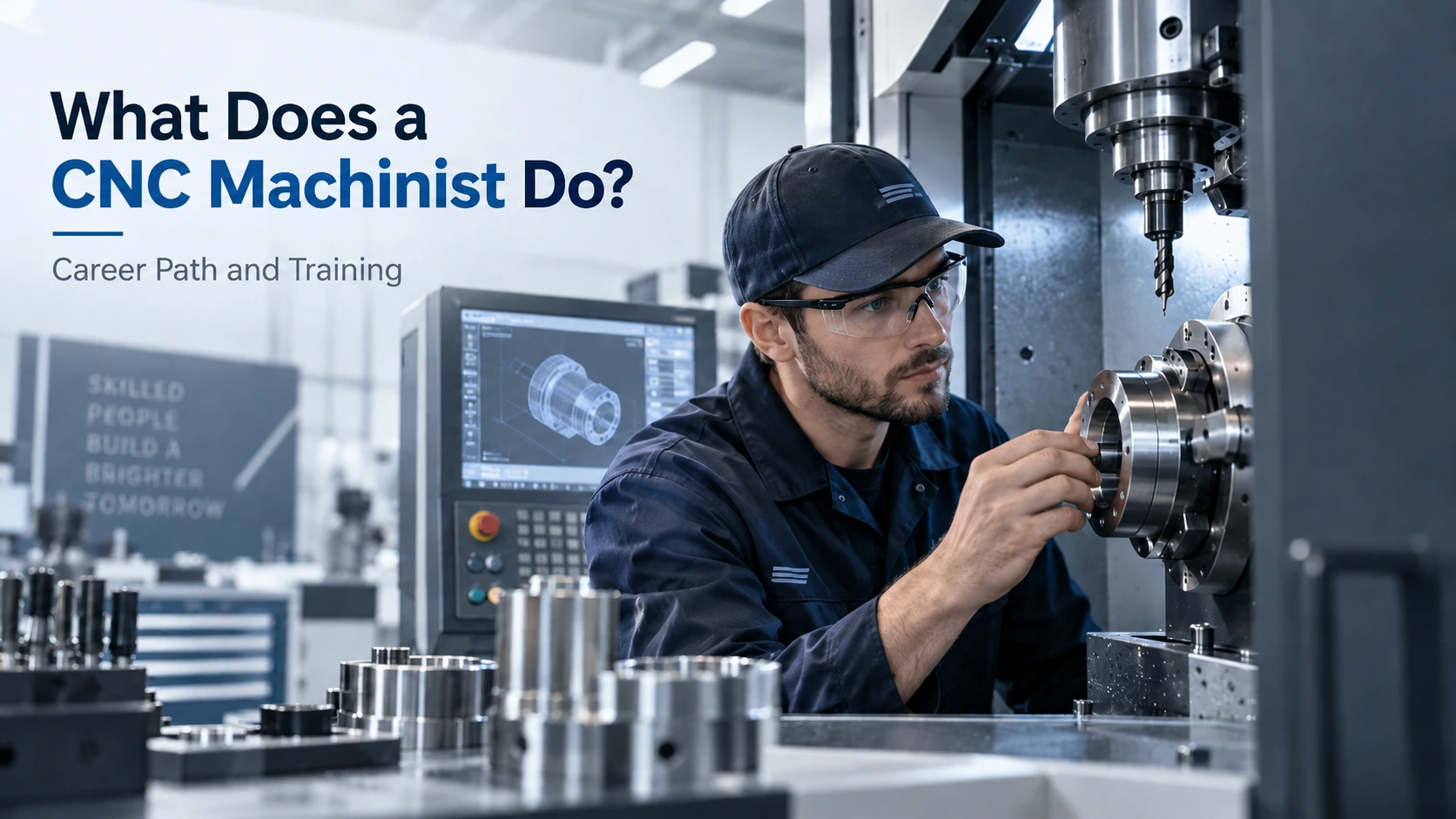
What Does a CNC Machinist Do? Career Path and Training
A CNC machinist is responsible for transforming digital designs and raw materials into precise components used in industries such as aerospace, automotive, medical manufacturing and industrial equipment. Unlike traditional manufacturing roles, modern CNC machining combines machine operation, computer technology, programming and problem-solving skills. A successful CNC machinist does more than operate equipment. They understand how materials behave, how tools interact

What Is Combination Welding and What Do Students Learn?
Combination welding is a welding training approach where students learn multiple welding processes, including SMAW (stick welding), MIG/GMAW, TIG/GTAW, FCAW and sometimes pipe welding. Instead of specializing in only one method. This broader training helps future welders understand how to select the right process, equipment and techniques for different materials, projects and workplace environments. A combination welding program typically teaches
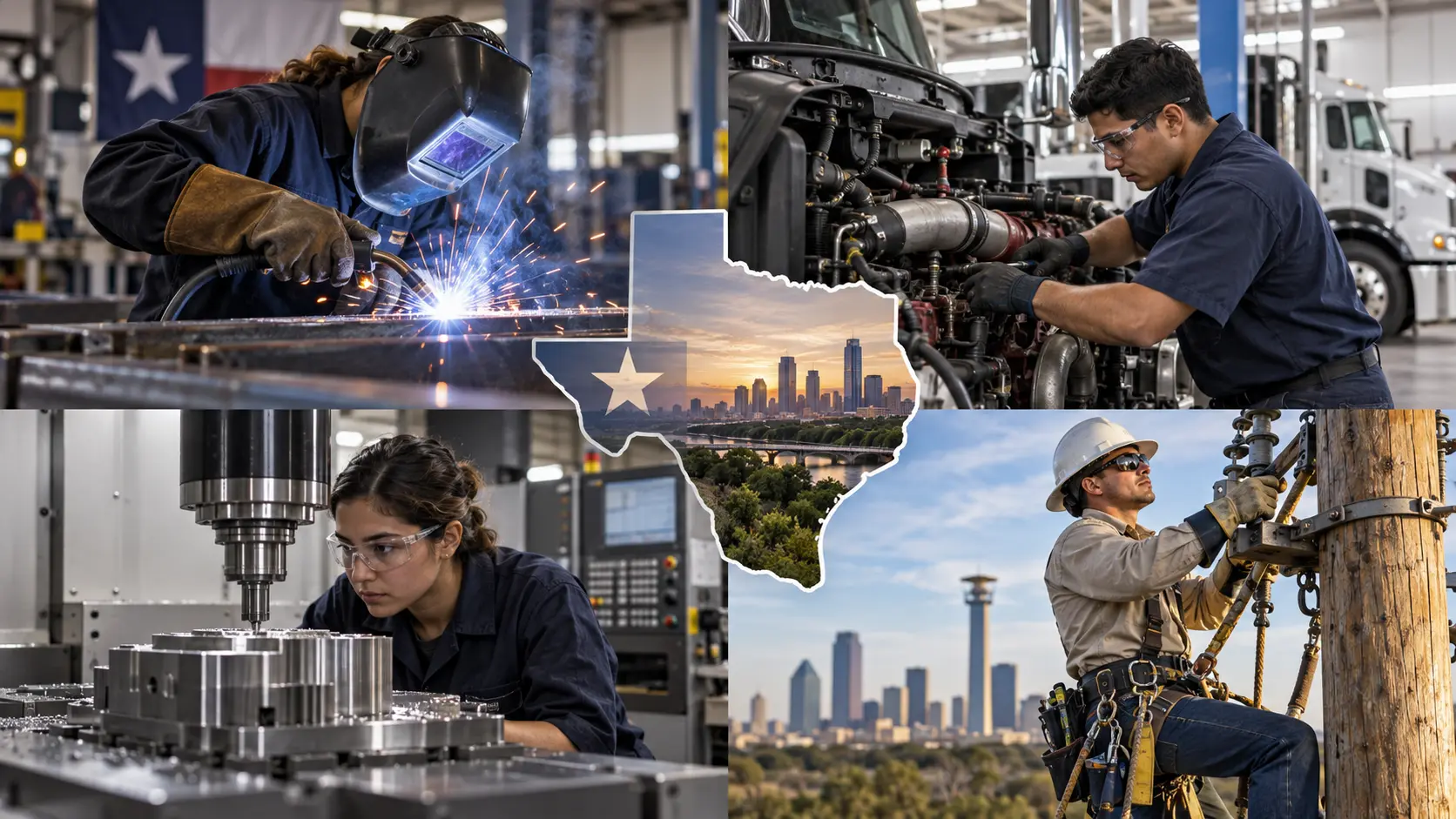
Skilled Trades Training in Texas: Complete Career Guide
Choosing a career does not always require spending four years in a classroom. For many students, career changers, and hands-on learners, skilled trades training provides a direct path to developing technical skills employers need today. From CNC machining and welding to diesel technology and electrical linework, skilled trade professionals build, repair, and maintain the systems that keep industries running. These