
Getting a Class A Commercial Driver License can open the door to careers involving tractor-trailers, combination vehicles, regional freight and long-distance transportation. However, the licensing process involves more than passing a road test. In Texas, you generally need to meet the eligibility requirements, obtain a Commercial Learner Permit, complete applicable Entry-Level Driver Training and pass all parts of the CDL

How Long Does CDL Training Take in Texas?
If you are planning a trucking career, the training timeline matters. You may be trying to change careers quickly, fit classes around a current job, or understand how soon you can legally take the CDL skills test. The short answer is that CDL training in Texas can take from about two weeks for focused preparation to several months for advanced
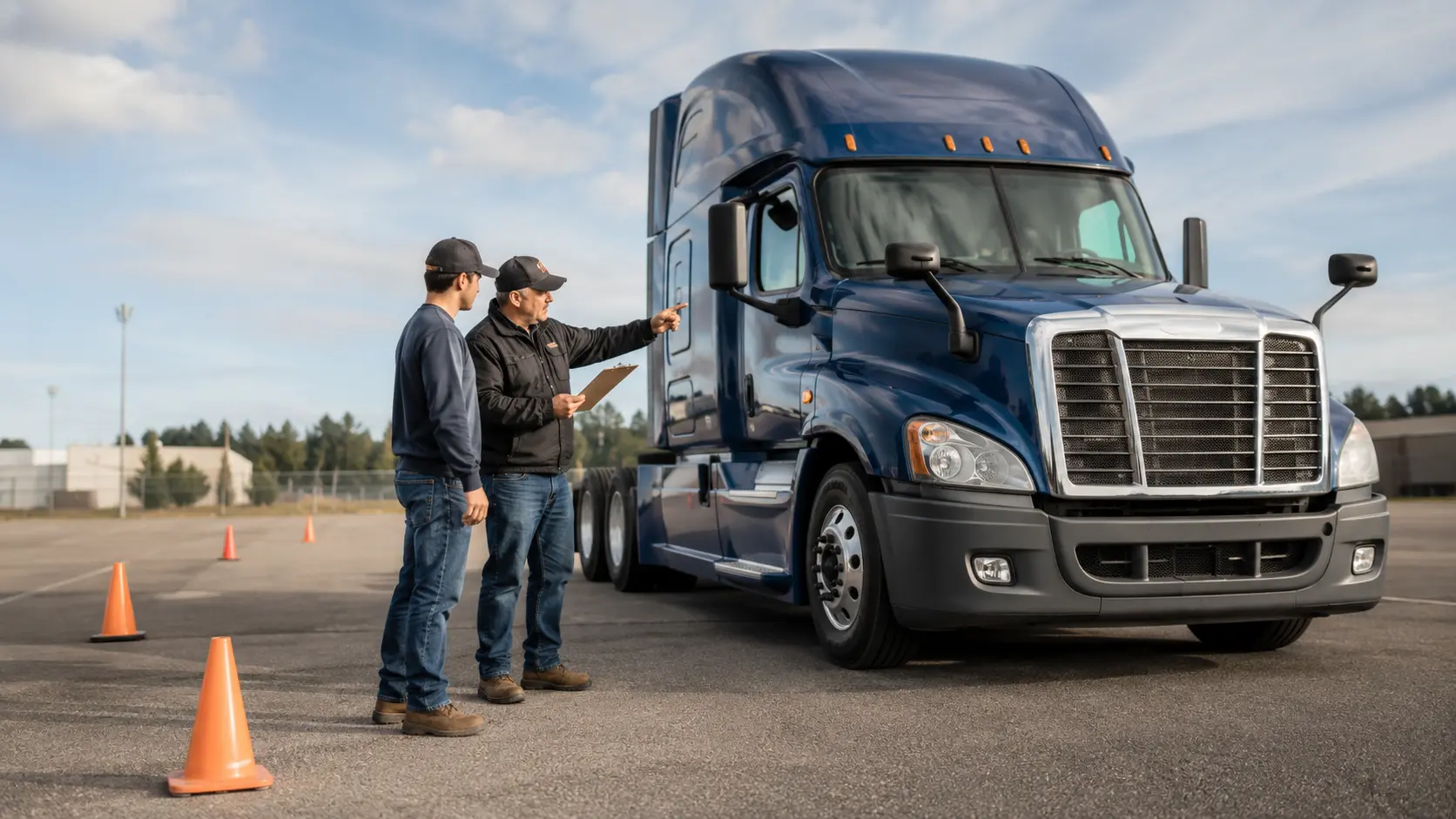
What Is ELDT and Why Does It Matter for CDL Students?
Preparing for a commercial driver’s license involves more than passing a written test and learning how to operate a truck. Many first-time applicants must also complete Entry-Level Driver Training before they can take the applicable CDL skills test. Choosing the wrong course, using an unregistered provider, or completing theory without the required driving instruction can delay your progress. ELDT stands
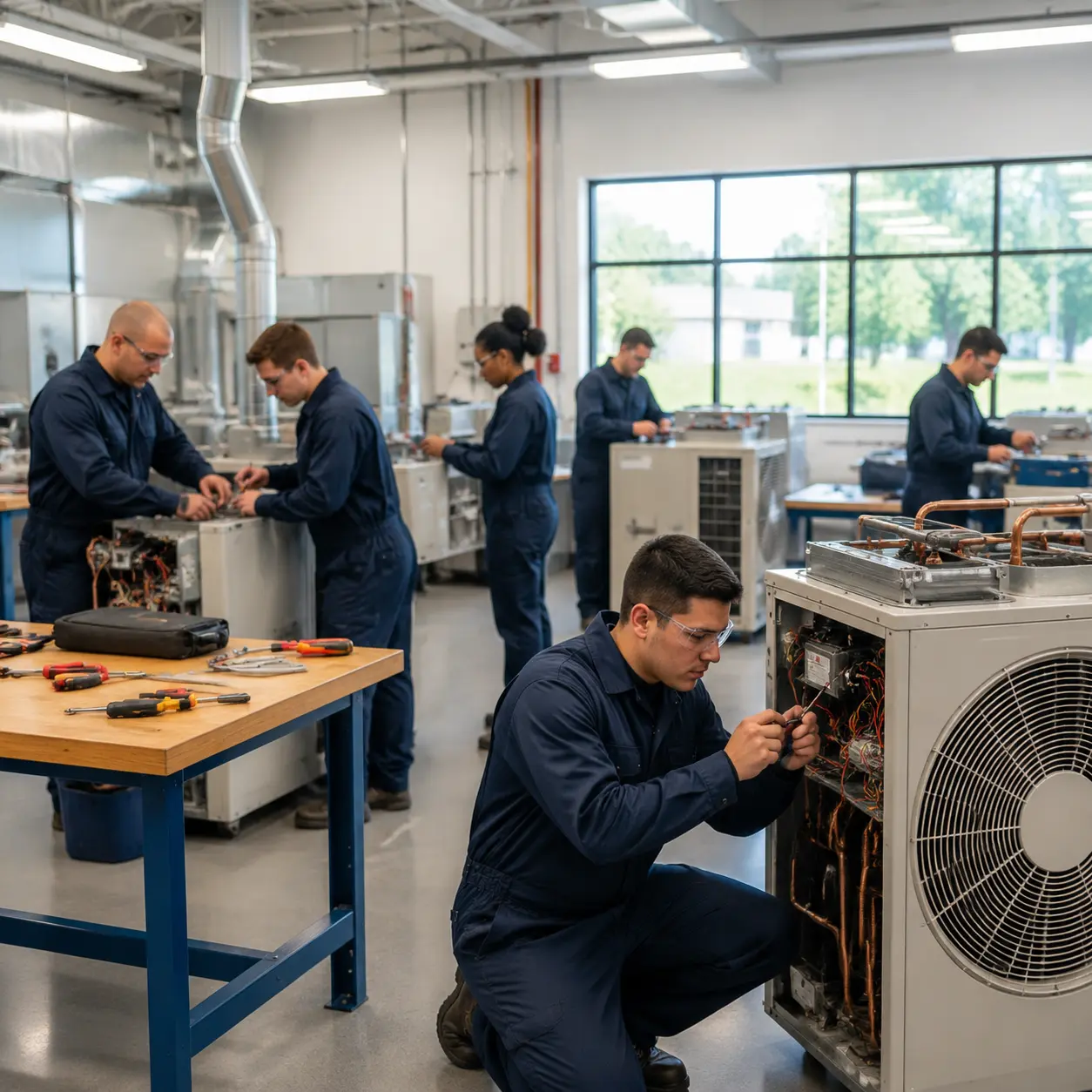
How Long Does HVAC-R Training Take?
If you have ever stood in a hot house waiting for a technician to show up and fix the air conditioner, you already know something important: skilled HVAC-R workers are in short supply, and the people who have this training rarely stay unemployed for long. That is probably part of what brought you here. You are not just curious about
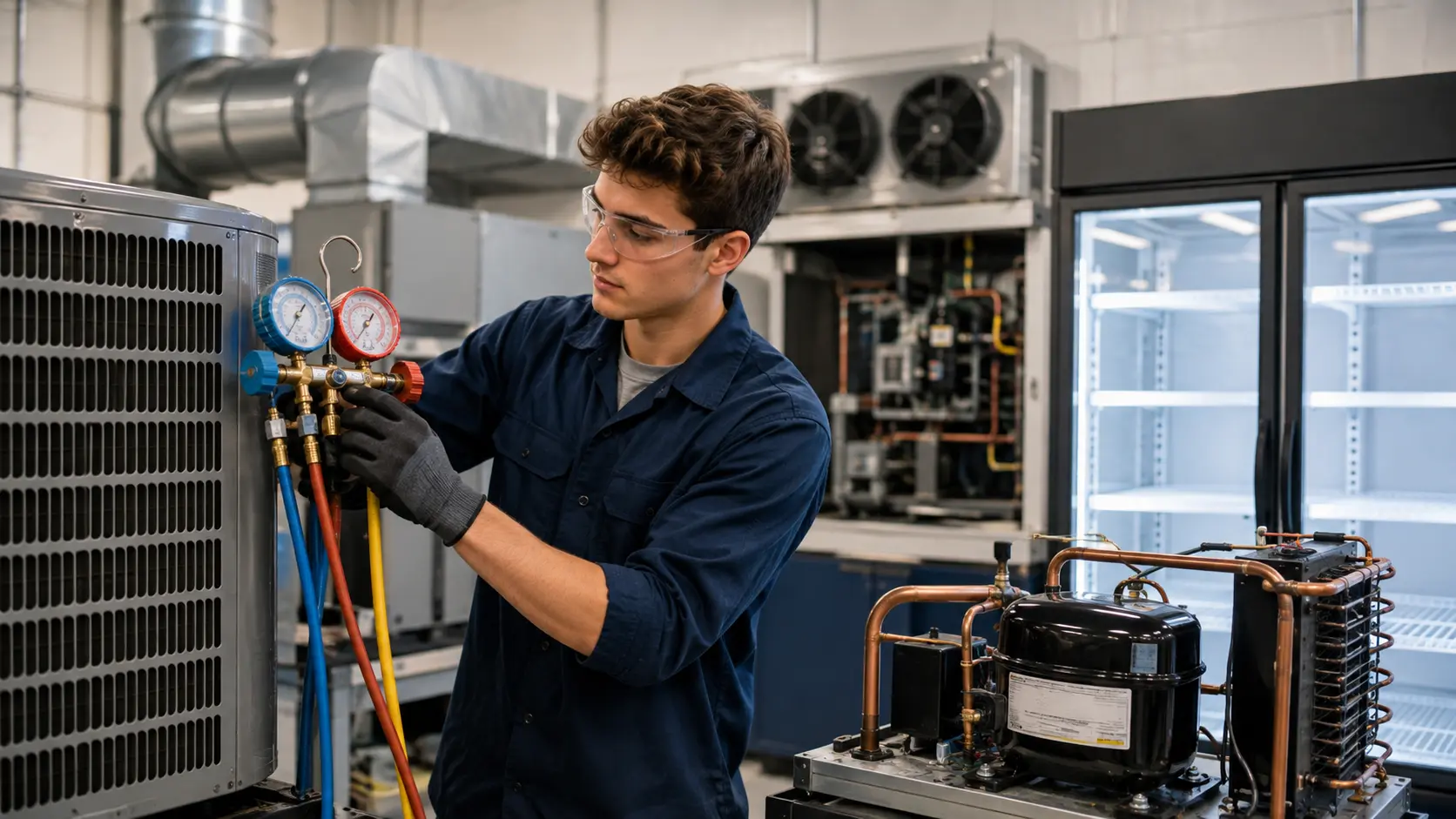
What Is HVAC-R? HVAC vs HVACR Explained for Beginners
If you have been researching careers in heating and cooling, you may have come across terms such as HVAC, HVACR, HVAC-R, and HVAC/R. They sound similar, but there is one important difference. HVAC-R stands for heating, ventilation, air conditioning, and refrigeration. Standard HVAC focuses mainly on heating, cooling, ventilation, and indoor comfort. HVACR includes those areas plus refrigeration systems used

Trade School in Texas: Complete Guide to Career Training
A trade school in Texas provides career-focused training in fields such as HVAC, welding, electrical work, plumbing, commercial driving, and manufacturing. Programs combine classroom instruction with hands-on experience, helping students develop practical skills for skilled careers without completing a traditional four-year degree. Training can take anywhere from a few weeks to more than a year, depending on the program. Tuition

Trade School vs College: Which Path Is Right for Hands-On Careers?
Trade school is generally a better choice for students pursuing hands-on careers in welding, HVAC, CNC machining, commercial driving, and other skilled trades. It focuses on practical, job-specific training, often takes a few months to two years, and typically costs less overall than a four-year degree. College provides broader academic education and is better suited to careers such as engineering
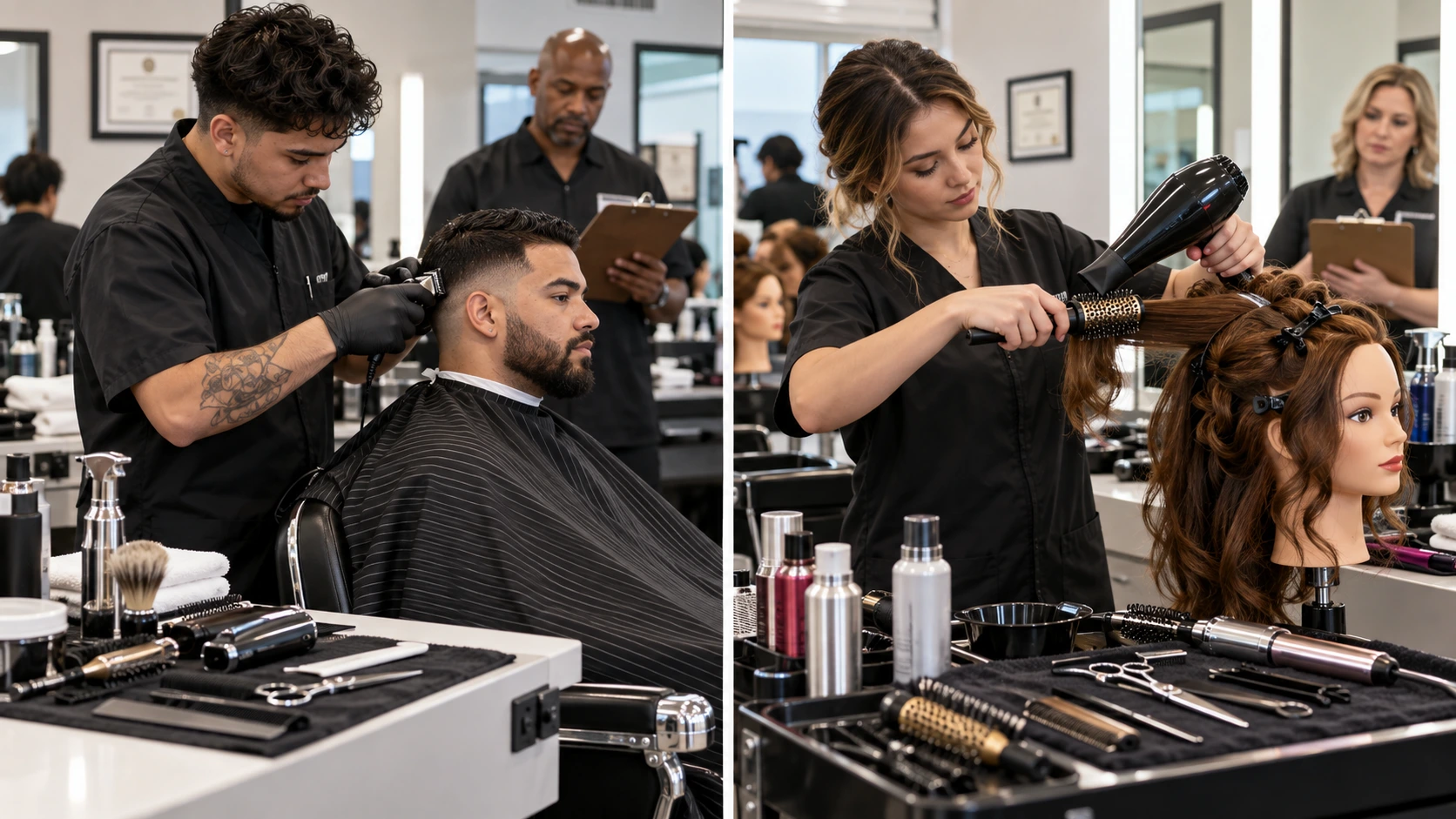
Barber License vs Cosmetology License: What Students Should Know
Choosing between a barber license and a cosmetology license can be confusing because the two careers share several skills but lead to different types of training and professional work. The right choice depends on the services you want to offer, the environment you want to work in and your long-term career goals. This guide compares both licensing paths, including their
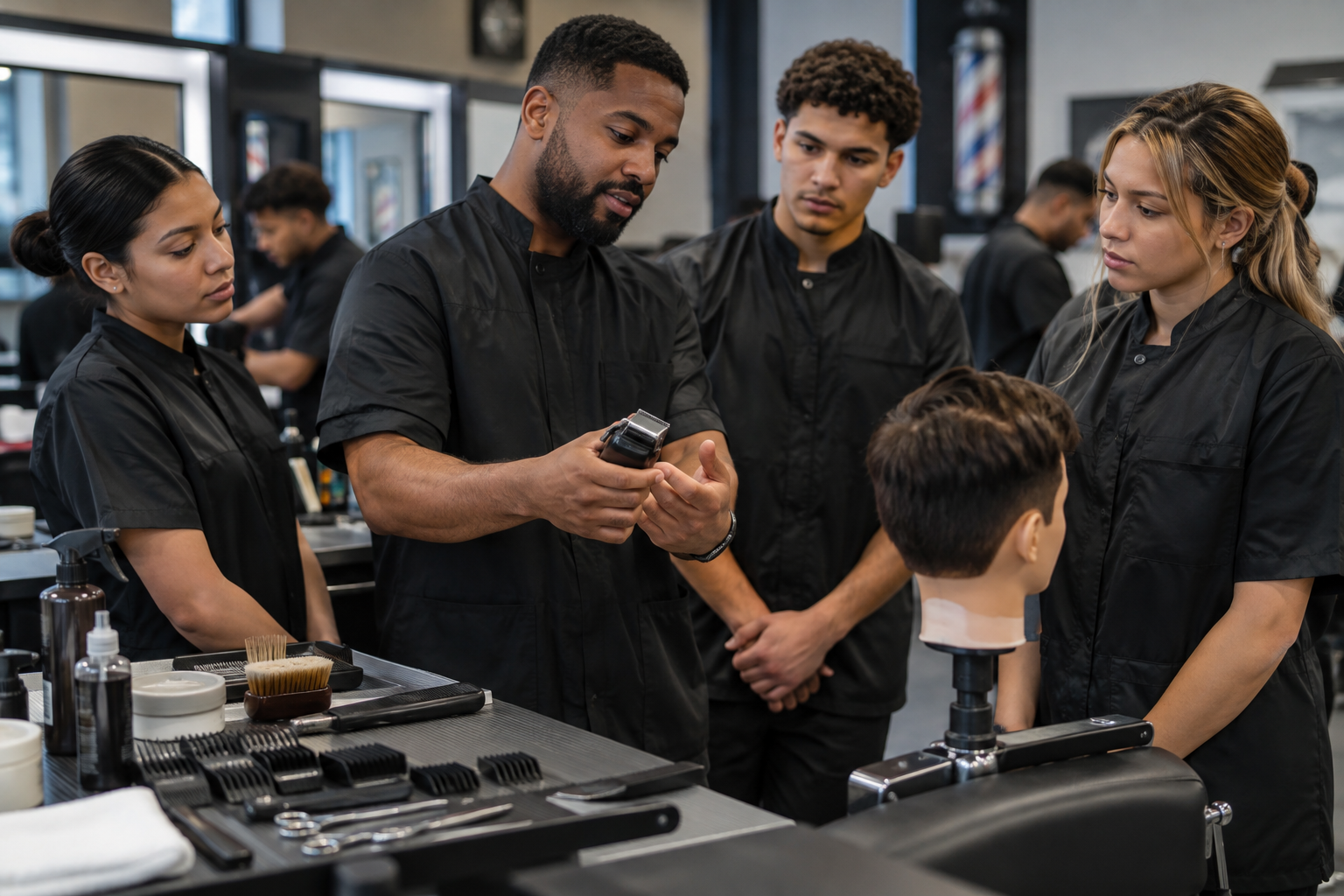
What Do You Learn in a Class A Barber Training Program?
A Class A Barber training program prepares students for the technical, practical and professional demands of working in a barbershop environment. The training goes beyond learning individual techniques. Students gradually build the knowledge, judgment and hands-on experience needed to perform services safely, work with different clients and prepare for professional barbering. This guide explains the main areas covered in Class

How to Become a Cosmetologist in Texas
To become a cosmetologist in Texas, you typically need to complete about 8 to 12 months of approved cosmetology training, pass the written and practical exams, and apply for your license through the Texas Department of Licensing and Regulation (TDLR). You may become eligible for the written exam shortly before finishing your full program, which can help you move through